
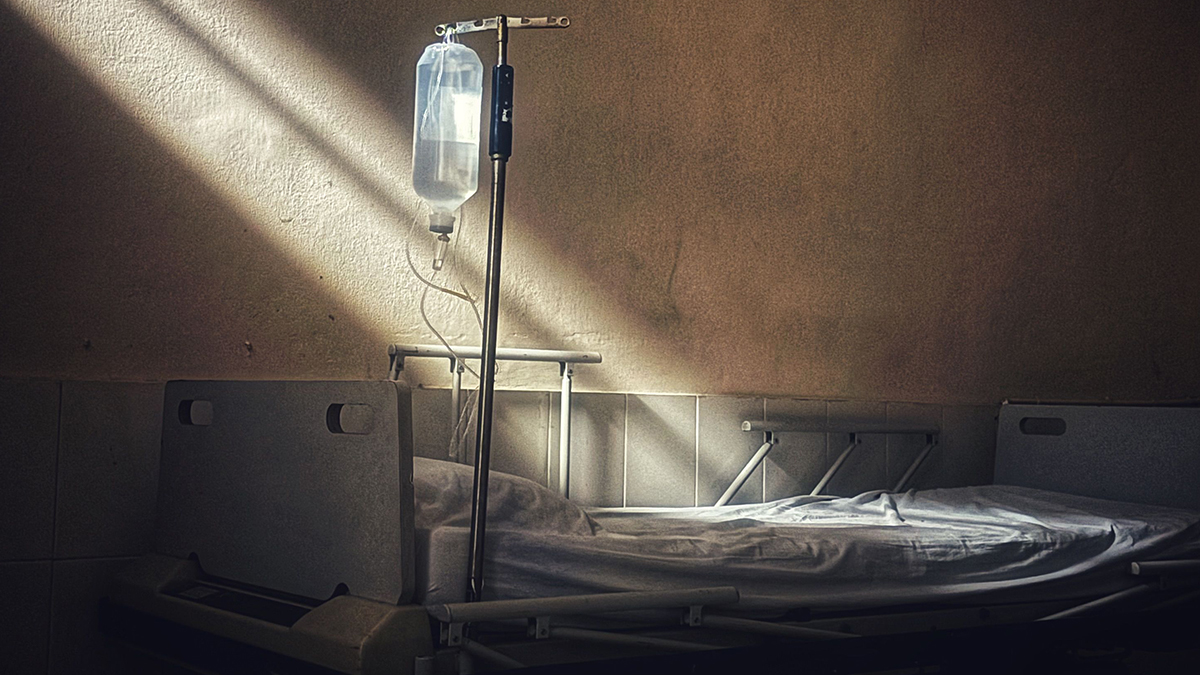
Pediatric mental health boarding keeps rising as inpatient psychiatric beds stay scarce, stranding children in ERs and exposing a gap the acute-care system cannot fill.
Key Takeaways
- Boarding is common, long, and getting worse: Children in psychiatric crisis routinely wait days in emergency rooms for an inpatient bed, against a Joint Commission standard of four hours. Boarding volume and length of stay have risen sharply since the pandemic.
- The bed shortage is structural: Decades of psychiatric-bed reductions and a severe child-psychiatrist shortage mean the beds these children need often do not exist. Expanding commitment or crisis screening does not create capacity.
- The ER is the wrong place for the care: Emergency departments can keep a child safe but rarely deliver active psychiatric treatment, making boarding a missed chance at stabilization. The setting compounds the crisis it is meant to contain.
- The gap is a business and policy opening: Crisis stabilization units, psychiatric emergency models, and intermediate levels of care can divert children from boarding. The operators and states that build that capacity are addressing a documented, expensive failure.
At two in the morning in an emergency department somewhere in America, a teenager who came in with suicidal thoughts is asleep, or trying to sleep, on a gurney in a hallway bay. The medical workup is done; there is nothing more the ER needs to do for the body. What the child needs is a bed in a psychiatric hospital, and there is no bed, not tonight and maybe not for days.
As a result, the child stays where they are, watched by a staff member assigned to sit with them, in a fluorescent-lit room designed for broken bones and chest pain, waiting for a placement that the system cannot produce. This scene, repeated in hospitals across the country every night, has a clinical name that badly undersells it. It is called boarding.
Boarding is the term for a patient who has been cleared for admission or transfer while no appropriate bed exists to receive them, and for children in psychiatric crisis it has become one of the defining failures of American behavioral health. The Joint Commission, the body that accredits hospitals, recommends that boarding not exceed four hours.
For children awaiting psychiatric care, the national reality is measured in days, sometimes weeks, and occasionally even months. The gap between that four-hour standard and the lived reality is a precise measure of how badly the acute end of the children’s mental health system has come apart.
How Bad Pediatric Boarding Has Become
Data has finally caught up to what emergency clinicians have described for years. A study published in Pediatrics in March 2025 examined boarding across 40 tertiary children’s hospitals from 2017 through 2023 and counted more than 100,000 boarding encounters over that span, with the median length of stay rising from three days to four and 350 children boarding for longer than 100 days. Volume and duration both climbed after the pandemic and did not come back down. A separate national analysis found that roughly one in three pediatric mental health emergency visits ending in admission or transfer involved boarding of twelve hours or more, with the burden falling unevenly by race, ethnicity, and insurance type.
Certain children wait longest, and the pattern is revealing. Prolonged boarding is more common among older adolescents, children on government insurance, and those with medical or psychiatric complexity (such as aggression, developmental disability, or autism). In other words, the issue is most prevalent for the children whose needs are greatest and whose care is hardest to place. A child with straightforward depression may find a bed in a day. A child with autism and aggression, or a complex psychosocial situation and unstable insurance, can wait for weeks, boarding not because their need is smaller but because the specialized bed that fits them is rarer still.
The Structural Shortage Behind the Boarding Crisis
If boarding is a symptom, then the disease is a bed shortage decades in the making. The United States spent the second half of the twentieth century emptying its psychiatric hospitals, and the inpatient capacity that once existed was never replaced at anything like the scale the population requires, a reduction whose consequences now surface everywhere from jails to emergency rooms.
For children, the shortage is compounded by a workforce collapse: the country has roughly 8,000 to 9,000 child and adolescent psychiatrists against an estimated need many times that, and the broader behavioral health workforce shortage means even existing beds sometimes cannot open because there is no one to staff them. A licensed psychiatric bed with no psychiatrist to cover it is not a bed at all.
What follows is a supply-and-demand mismatch that no amount of screening or crisis outreach can fix on its own, because those upstream efforts, valuable as they are, ultimately funnel identified children toward a level of care that does not have room for them. It is the same hard arithmetic visible across acute psychiatric care, where the authority and the intent to treat keep outrunning the capacity to do it: the system can keep generating demand for acute psychiatric care faster than it builds the capacity to deliver it, and boarding is where that imbalance physically accumulates, in the bodies of children waiting in hallways.
Why the Emergency Room Is the Wrong Place
The trouble with boarding is not only the wait but the setting. An emergency department is built to stabilize acute medical emergencies and move on, and it is structurally ill-suited to the days-long psychiatric holding it has been conscripted into.
A boarding child typically receives little active mental health treatment while they wait; the ER can keep them safe, assign a sitter, and manage a crisis, but it rarely delivers the evidence-based evaluation and therapy the child actually needs, which means boarding is a missed opportunity for stabilization, and sometimes for a discharge to a lower level of care that never gets considered because no one in the ER is positioned to consider it.
That environment can actively worsen things. A child in acute distress, held for days in a loud, bright, chaotic setting with strangers and no therapeutic structure, may deteriorate rather than stabilize, and the clinicians caring for them, emergency staff trained for medical crises rather than psychiatric ones, absorb a burden the system never designed them to carry. Boarding also consumes emergency department capacity that other patients need, so the harm radiates outward, with one crisis crowding out the response to the next. It is a failure that compounds in every direction at once.
It is also, in the cold language of health economics, a value failure: the system spends heavily to hold a child in an expensive acute setting while delivering little of the treatment that would actually help, paying premium prices for non-treatment. A clinician sitting one-to-one with a boarding adolescent for a week is among the costliest ways imaginable to not provide psychiatric care, and the expense buys containment rather than recovery. That combination, high cost and low value, is usually what finally moves a health system to act, and it is one reason boarding has begun to draw the attention of hospital executives and state officials who might have looked past a purely clinical appeal.
What the Boarding Gap Means for Providers and States
Because boarding sits at a chokepoint, it has become one of the clearer opportunities in pediatric behavioral health for operators and states willing to build the missing capacity. Interventions that reduce boarding are increasingly well documented: dedicated psychiatric emergency and crisis-stabilization units that can rapidly assess and treat children rather than warehouse them, of which the EmPATH model is the most cited example; expanded inpatient capacity where beds are genuinely short; and, critically, intermediate levels of care such as partial hospitalization and intensive outpatient programs that can catch children who do not need a hospital bed but need far more than a routine outpatient visit. When Boston Children’s Hospital paired new staffing with a new inpatient unit, it cut its boarding by more than half in a single year.
States are moving too, through boarding task forces, crisis-system investment, and the 988 crisis continuum’s push toward mobile response and stabilization that aims to intercept children before they reach the emergency department at all. For providers, the strategic logic is straightforward: boarding represents demand the acute-care system is failing to meet, at great cost and in full view, and operators that can stand up crisis stabilization, psychiatric emergency capacity, and intermediate care are addressing a bottleneck that hospitals, families, and payers are all desperate to relieve. The one caution is what shadows every seriously-mentally-ill population, the headline and reimbursement risk that has long made investors wary of acute psychiatric assets. But the children are already there, in the hallways, waiting. The capacity to care for them somewhere better is the whole question, and right now the answer is being written one boarding day at a time.